Prestiti di consolidamento debiti is a powerful tool for those feeling overwhelmed by their financial burdens. Imagine finding a way to simplify your debts into a single, manageable loan—like finding a hidden path through a tangled forest of bills and payments. This financial strategy not only streamlines your obligations but also offers a chance to regain control over your finances, potentially leading to a brighter, debt-free future.
In this exploration, we will uncover the nature of consolidation loans, the eligibility requirements for obtaining them, and the application process that can often feel daunting. We’ll discuss how these loans can impact your credit score and the strategies for managing your debt effectively after consolidation. With real-life case studies and a look at legal considerations, you’ll be well-equipped to navigate the world of debt consolidation.
Understanding Consolidation Loans
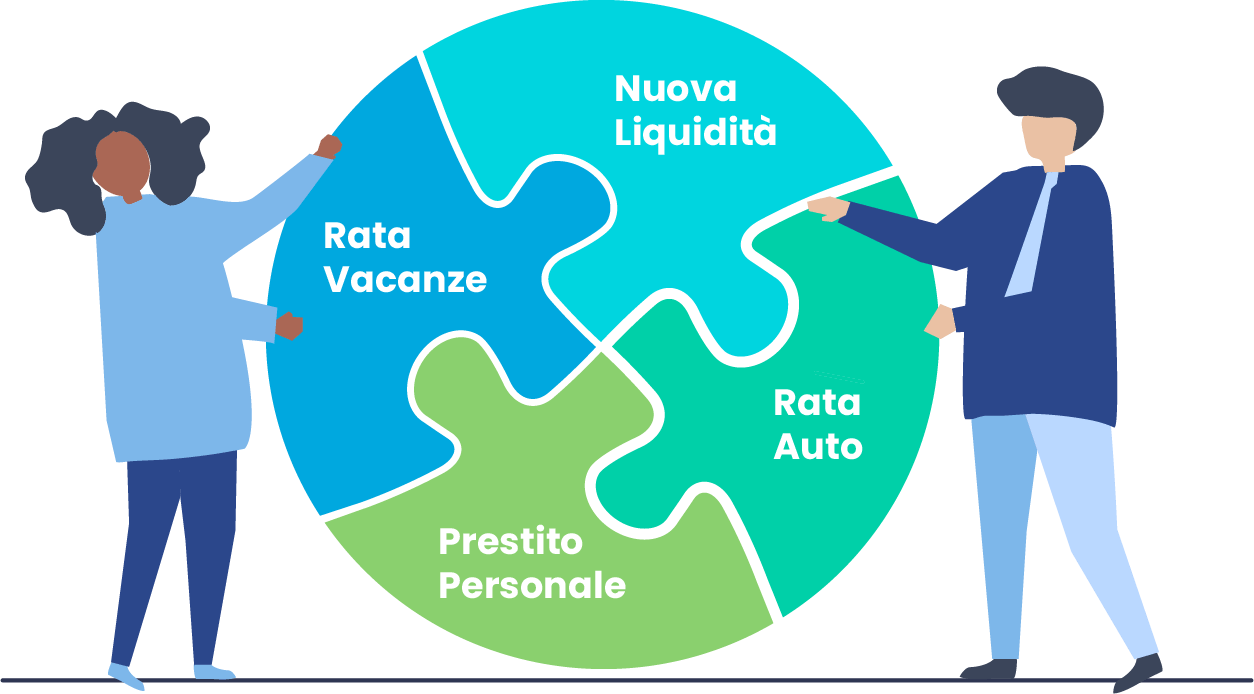
In the realm of personal finance, consolidation loans serve as a powerful tool for managing debt. By bringing multiple debts into a single loan, they simplify repayment and can often reduce overall interest rates. This financial strategy is increasingly popular among individuals looking to regain control over their financial situation.Consolidation loans are specifically designed to combine various debts—such as credit card balances, medical bills, or personal loans—into one single debt obligation.
The borrower takes out one new loan to pay off all existing debts, resulting in a singular monthly payment rather than juggling multiple payments with different due dates and interest rates. This single loan usually comes with a fixed interest rate, which can provide clarity and predictability in repayment.
Types of Consolidation Loans
Understanding the different types of consolidation loans available is essential for individuals considering this option. Each type caters to various needs and financial situations, which can significantly impact a borrower’s debt management strategy.
- Secured Consolidation Loans: These loans require collateral, such as a home or savings account, which can lower interest rates but also presents a risk of losing the asset if repayment fails.
- Unsecured Consolidation Loans: Not requiring collateral, these loans typically come with higher interest rates. They are based on the borrower’s creditworthiness, making them accessible to those without significant assets.
- Debt Management Plans (DMPs): Offered by credit counseling agencies, DMPs involve negotiating lower interest rates and monthly payments with creditors, effectively consolidating debts without taking out a new loan.
- Balance Transfer Credit Cards: These allow individuals to transfer existing credit card balances to a new card with a lower interest rate, often providing an interest-free period, which can be advantageous for those with high credit card debt.
Advantages of Consolidation Loans
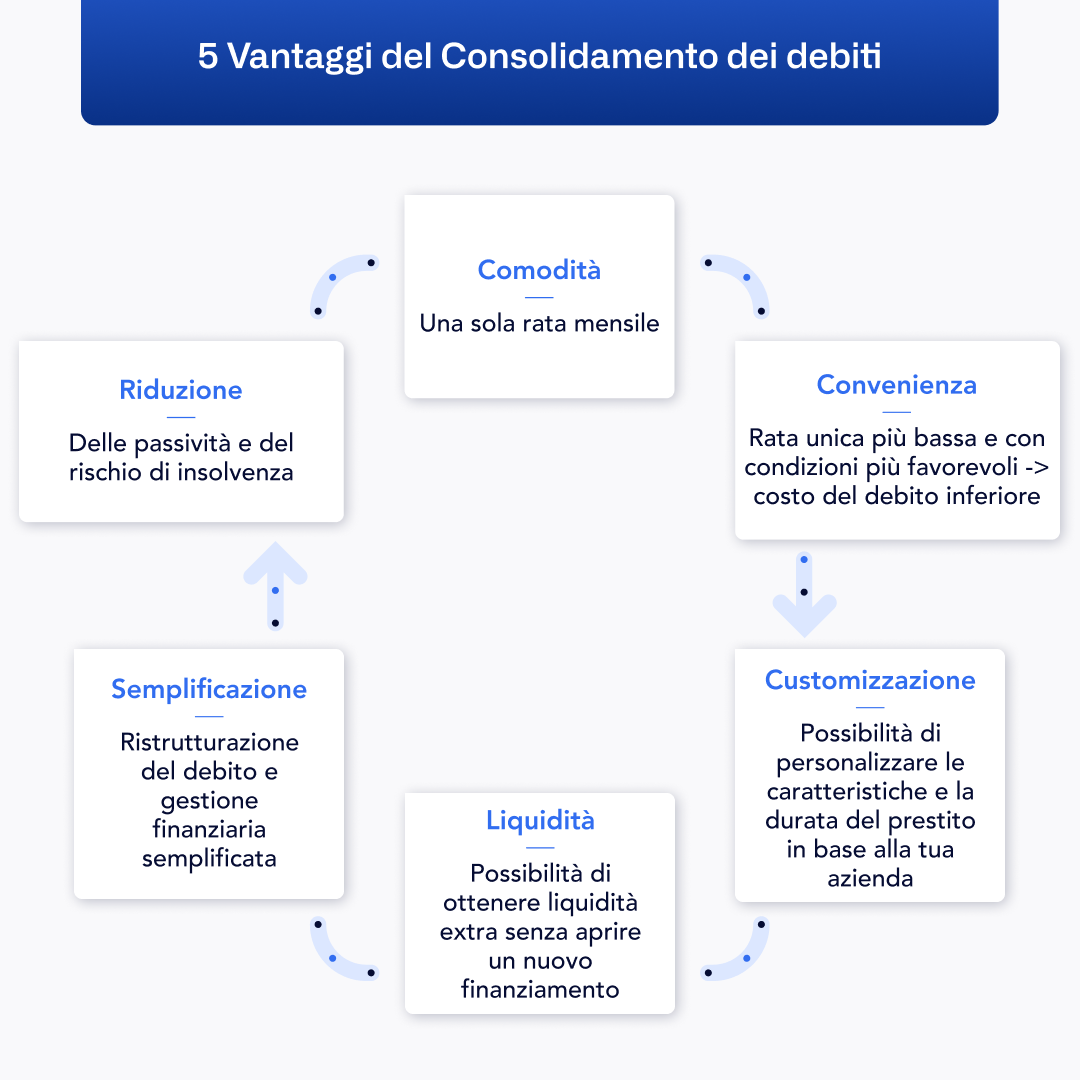
The benefits of opting for consolidation loans can be substantial, offering tangible financial relief for borrowers. Understanding these advantages can assist individuals in making informed decisions about their debts.
- Simplified Payments: With only one monthly payment to manage, borrowers can alleviate the stress associated with multiple due dates and varying payment amounts.
- Lower Interest Rates: Many consolidation loans offer lower interest rates compared to high-interest debts, particularly credit cards, ultimately reducing the total cost of debt.
- Improved Credit Score: By consolidating debts and making consistent payments, borrowers can improve their credit scores over time, as timely payments contribute positively to credit history.
- Fixed Monthly Payments: Unlike variable-rate loans, many consolidation loans come with fixed terms, providing predictability in monthly budgeting and planning.
Disadvantages of Consolidation Loans
While consolidation loans provide various benefits, they also come with potential drawbacks that borrowers should consider before proceeding. Recognizing these disadvantages is crucial to ensure a sound financial decision.
- Potential for Higher Costs: Depending on the terms of the loan and the borrower’s financial situation, consolidation might ultimately lead to longer repayment periods and higher interest costs over the life of the loan.
- Risk of Accumulating More Debt: If not careful, borrowers may find themselves accumulating new debts after consolidating, leading to a cycle of debt rather than a resolution.
- Impact on Credit Score: Initially, taking out a consolidation loan may result in a slight dip in credit scores due to the hard inquiry and new account opening, which can be concerning for those looking to maintain a strong credit profile.
- Fees and Penalties: Some consolidation loans may come with origination fees or penalties for early repayment, which can diminish the overall savings achieved through consolidation.
“Consolidation loans can be a double-edged sword; while they simplify debt management, their effectiveness hinges on disciplined financial behavior.”
Eligibility Criteria for Consolidation Loans
Obtaining a consolidation loan can be a crucial step toward financial relief for many individuals burdened with multiple debts. However, before embarking on this journey, understanding the eligibility criteria is essential. These criteria help lenders assess the risk of lending and ensure that borrowers are in a position to manage their new loan effectively.Common requirements for obtaining a consolidation loan often include a stable source of income, a reasonable credit score, and debt-to-income ratios that meet lender standards.
Lenders typically want to ensure that borrowers can afford their loan payments while managing their existing debts. Other factors can play a significant role in determining eligibility, including employment history, credit utilization, and the total amount of outstanding debt.
Factors Impacting Eligibility for Consolidation Loans
Several key factors influence whether an individual qualifies for a consolidation loan. Understanding these factors can aid borrowers in improving their chances of approval.
Credit Score
A higher credit score generally indicates a reliable borrower, making lenders more willing to offer favorable terms. A score above 650 is often considered acceptable, but some lenders may extend loans to those with lower scores.
Income Stability
Consistent employment and a steady income reassure lenders that borrowers can manage monthly payments. Lenders usually require proof of income, such as pay stubs or tax returns.
Debt-to-Income Ratio
This ratio compares an individual’s total monthly debt payments to their gross monthly income. A lower ratio, typically below 40%, is preferred by lenders, as it indicates a manageable level of debt relative to income.
Loan Amount Requested
The total amount needed for consolidation can also impact eligibility. Lenders may have specific limits on how much they are willing to lend based on credit and income.
Type of Debt
The nature of the debts being consolidated, such as credit card debts, medical bills, or personal loans, can also affect eligibility. Some lenders may only offer consolidation for unsecured debts.For instance, consider a scenario where an individual has multiple credit card debts totaling $20,000 with an income of $60,000 per year and a credit score of 700. This individual may find it easier to secure a consolidation loan because their credit score is solid, and their debt-to-income ratio is approximately 33%, which is favorable.
Alternatively, someone with the same debt amount but a credit score of 580 might struggle to get approved due to a higher perceived risk.
“A stable income, a reasonable credit score, and a low debt-to-income ratio are crucial for securing a consolidation loan.”
Understanding these criteria and factors can empower individuals to take charge of their financial situation, paving the way for a more manageable debt landscape.
Application Process for Consolidation Loans: Prestiti Di Consolidamento Debiti
Applying for a consolidation loan can seem daunting, yet it’s a powerful step towards regaining control over your financial situation. This process involves several key steps that, when followed, can lead to a more manageable debt landscape. Let’s delve into the details of how to navigate the application process effectively, ensuring you have all the necessary documents and understand the vital role of credit scores.
Steps to Apply for a Consolidation Loan
Understanding the process of applying for a consolidation loan is essential for a smooth experience. Below are the primary steps to follow:
- Evaluate Your Financial Situation: Begin by assessing your current debts, interest rates, and monthly payments. This provides clarity on how much you need to consolidate.
- Research Lenders: Explore various lenders offering consolidation loans, comparing their interest rates, terms, and reviews. Reputable lenders can offer you better terms.
- Check Your Credit Score: Your credit score is a critical factor in determining your loan eligibility and interest rate. Aim for a score above 650 for better options.
- Gather Required Documents: Prepare the necessary documentation. This includes income statements, debts, and identification.
- Submit Your Application: Fill out the application form accurately and submit it along with your documents. Be ready to provide additional information if requested.
- Review Loan Offers: Once approved, review the offers carefully, paying attention to the terms and conditions before accepting.
- Close the Loan: After accepting an offer, finalize the loan, and use the funds to pay off your existing debts.
Checklist of Documents Needed During the Application Process
Having the right documents ready can streamline your application process significantly. Below is a checklist of essential documents you will typically need when applying for a consolidation loan:
Being organized with these documents can help expedite your application and increase your chances of approval:
- Proof of Identity: Government-issued ID (e.g., driver’s license, passport)
- Proof of Income: Recent pay stubs, W-2 forms, or tax returns
- Debt Statements: Recent statements for all debts you wish to consolidate
- Credit Report: Obtain a copy of your credit report to understand your credit standing
- Bank Statements: Recent bank statements showing your financial stability
Importance of Credit Scores in the Application Process
Credit scores play a pivotal role in the application process for consolidation loans. A higher credit score generally leads to better loan offers, including lower interest rates and more favorable terms.
The significance of credit scores can be summarized in the following points:
- Loan Approval: Lenders often use credit scores to assess your risk level. A poor score may result in denial.
- Interest Rates: Higher scores typically qualify for lower interest rates, reducing the overall cost of the loan.
- Loan Amount: A good credit score can allow you to secure a larger loan amount, facilitating the consolidation of more debts.
- Negotiation Power: A strong credit score may provide leverage in negotiating better terms with lenders.
“Understanding your credit score not only helps in obtaining a loan but also empowers you to make informed financial decisions.”
Managing Debt Post-Consolidation
After successfully consolidating debt, individuals often find themselves at a crossroads that defines their financial future. The consolidation process provides relief, but maintaining that newfound stability requires diligent effort and strategic planning. The journey toward financial freedom continues, and developing effective debt management strategies is essential for long-term success.Establishing a solid plan for managing debt after consolidation can pave the way for a healthier financial outlook.
This involves adopting habits that promote financial discipline and crafting a budgeting strategy that ensures saving money alongside repaying debts. By proactively managing finances, one can avoid falling into the same pitfalls that led to debt in the first place.
Strategies for Managing Debt Effectively, Prestiti di consolidamento debiti
Implementing effective strategies post-consolidation is crucial for maintaining financial health. These strategies help to create a structured repayment plan while building good financial habits.
- Create a Detailed Budget: Begin by identifying your income and all expenditures. Categorize your spending into needs and wants to help prioritize essential expenses. A clear budget can prevent overspending and ensure that you allocate sufficient funds for debt repayment.
- Set Up an Emergency Fund: Life is unpredictable, and having savings for unexpected expenses can prevent reliance on credit. Aim to save three to six months’ worth of living expenses. This fund acts as a financial safety net and discourages taking on new debt.
- Automate Payments: To ensure timely payments and avoid late fees, consider setting up automatic transfers for your consolidated loan payments. This not only simplifies the repayment process but also helps to build a positive payment history.
- Track Your Progress: Regularly review your budget and payment schedule. Keeping track of how much debt you have paid off can provide motivation and a sense of accomplishment, reinforcing positive habits.
Tips for Maintaining Financial Discipline
Establishing financial discipline is essential for preventing future debt and fostering a sustainable financial lifestyle. By implementing certain practices, individuals can strengthen their resolve against overspending.
- Limit Credit Card Usage: Use credit cards sparingly and only for necessary expenses. Consider leaving them at home when shopping to reduce the temptation to spend.
- Practice Mindful Spending: Before making any purchase, ask yourself if it’s a need or a want. This conscious approach can help curb impulsive spending and foster accountability in managing financial choices.
- Review Subscriptions and Memberships: Regularly assess any subscriptions or memberships you have. Cancel those that you no longer use or that don’t provide sufficient value to your life. This simple review can save a significant amount of money over time.
- Engage in Financial Education: Continuously educate yourself about personal finance. Read books, attend workshops, or follow financial experts online. Knowledge empowers you to make better decisions and avoid common pitfalls.
Methods for Budgeting and Saving Money
A well-structured budget not only facilitates debt repayment but also encourages savings. Implementing effective methods for budgeting and saving can lead to long-lasting financial improvement.
- Utilize Budgeting Tools: Take advantage of budgeting apps or software that can help you track income and expenses accurately. Many tools offer features that allow you to set goals and visualize your financial progress.
- Allocate Savings as an Expense: Treat savings like a non-negotiable monthly expense. By allocating a set amount of your income to savings, you prioritize building your financial future right alongside paying off debt.
- Participate in Savings Challenges: Engage in fun challenges like the “52-week savings challenge,” where you save an increasing amount each week. This can make saving less daunting and more engaging.
- Seek Out Discounts and Deals: Always look for discounts, coupons, or cashback offers when shopping. Cutting costs on everyday purchases can free up funds for savings and debt repayment.
Impact on Credit Score
When embarking on the journey of debt consolidation, individuals often wonder about the implications it has on their credit scores. A consolidation loan isn’t just a financial tool; it’s a pivotal moment that can shape one’s credit health for years to come. Understanding these impacts can empower borrowers to make informed decisions and strategize for a brighter financial future.Obtaining a consolidation loan can initially have a mixed effect on your credit score.
This is primarily due to the hard inquiry that lenders perform during the application process, which may cause a brief dip in your score. However, as time progresses and you manage the debt effectively, the long-term effects can be beneficial. The significant reduction in available credit utilization and the consolidation of multiple debts into one account can lead to improved credit health.
Short-Term Effects of Consolidation on Credit Score
In the immediate aftermath of obtaining a consolidation loan, borrowers may see fluctuations in their credit score. Here are the typical short-term effects:
- Hard Inquiry Impact: Each time you apply for a loan, a hard inquiry is recorded, which can lower your score by a few points temporarily.
- Debt-to-Income Ratio: Initially, your credit utilization may increase as you add a new account, which can further impact your credit score.
- Account Age: Opening a new loan can reduce the average age of your credit accounts, which is a factor in scoring models.
Long-Term Effects of Consolidation on Credit Health
Over time, the strategic use of a consolidation loan can lead to significant improvements in credit health, provided the borrower is diligent in managing repayments. The long-term benefits often include:
- Improved Payment History: Making regular, on-time payments on the consolidation loan establishes a positive payment history, which is the most critical factor in your credit score.
- Lower Credit Utilization: Consolidating multiple debts often results in a lower overall balance relative to your total credit limit, positively affecting your credit utilization ratio.
- Streamlined Accounts: Fewer open accounts can simplify your financial management and reduce the risk of missed payments.
Strategies for Improving Credit Scores Post-Consolidation
Once you’ve successfully consolidated your debts, implementing certain strategies can aid in elevating your credit score even further. Consider the following approaches:
- Automatic Payments: Setting up automatic payments for your consolidation loan can ensure you never miss a due date, thus enhancing your payment history.
- Monitor Your Credit Report: Regularly checking your credit reports for inaccuracies can help you address errors that might negatively impact your score.
- Limit New Credit Applications: Avoid applying for new credit cards or loans shortly after consolidation, as this can lead to more hard inquiries.
- Maintain Old Accounts: Keeping older credit accounts open can positively contribute to your credit length, an important aspect of credit scoring.
Alternatives to Consolidation Loans
Debt is a burden that many individuals face, and while consolidation loans can be a useful tool for managing it, they are not the only solution available. Understanding the variety of options can empower borrowers to make informed decisions that best fit their unique financial situations. By exploring different debt relief alternatives, one can uncover strategies that might offer greater benefits or suit specific circumstances better than consolidation.One of the most recognized alternatives to consolidation loans is a debt management plan (DMP).
A DMP involves working with a credit counseling agency that negotiates with creditors to reduce interest rates and develop a structured repayment plan. This approach can be particularly appealing for those seeking a more hands-on method of managing their debts without taking out a new loan.
Debt Management Plans Comparison
A debt management plan presents its own set of advantages and disadvantages when compared to consolidation loans. Understanding these can help individuals choose the right strategy for their debt relief.The following points Artikel the benefits and drawbacks of debt management plans versus consolidation loans: Advantages of Debt Management Plans:
- Lower Interest Rates: DMPs often allow borrowers to benefit from reduced interest rates negotiated with creditors.
- Structured Repayment: They provide a clear plan for repayment, typically spanning three to five years, which promotes financial discipline.
- Credit Counseling: Participants receive guidance from financial professionals who can help with budgeting and avoiding future debt.
Disadvantages of Debt Management Plans:
- Lengthy Process: Payments can take several years to complete, which may seem daunting for some borrowers.
- Impact on Credit Score: Entering a DMP can affect your credit score, particularly if accounts are closed or marked as “settled.”
- Limited Accessibility: DMPs may not be available to everyone, especially those with certain types of unsecured debt.
In some situations, alternatives to consolidation might be more suitable. For instance, borrowers facing temporary financial setbacks might benefit more from negotiating a payment plan directly with creditors rather than committing to a consolidation loan. Furthermore, individuals dealing with medical bills or other specific types of debts may find relief through specific programs or assistance services tailored to those needs.
“In some cases, the best solution is not to combine debts but to tackle them individually with well-structured support.”
Understanding the variety of debt relief options available, including debt management plans and other tailored solutions, can provide a pathway to financial stability that is better aligned with one’s personal situation. Whether it’s negotiating directly with creditors, utilizing nonprofit credit counseling services, or exploring specific relief programs, each option presents unique benefits and challenges worthy of careful consideration.
Real-Life Case Studies

In the world of finance, stories of triumph and adversity abound, particularly when it comes to the journey of managing debt. Consolidation loans have offered a lifeline to many, but they also present challenges that can lead to both success and failure. Let’s explore a few real-life case studies to better understand the impact of consolidation loans across various demographics, revealing both the paths to recovery and the lessons learned from missteps.
Success Stories of Individuals Who Benefited from Consolidation Loans
The success of consolidation loans can be vividly illustrated through the experiences of several individuals who transformed their financial situations. One notable case is that of Jessica, a single mother from Ohio. Overwhelmed by high-interest credit card debt, she turned to a consolidation loan to simplify her payments. By securing a loan with a lower interest rate, Jessica was able to reduce her monthly payments significantly.
After two years of disciplined budgeting, she not only paid off her consolidation loan but also managed to save for her daughter’s education. Jessica’s story is a testament to the potential for consolidation loans to provide financial stability when approached with commitment and planning.Another inspiring case is that of Mike, a recent college graduate burdened by student loans and credit card debts.
Struggling with multiple payments and high interest rates, Mike opted for a consolidation loan that wrapped all his debts into one manageable monthly payment. With a longer repayment term and a fixed interest rate, he found breathing room in his budget. Within three years, Mike increased his income through a better job and was able to pay off his consolidated loan ahead of schedule, illustrating how consolidation can lead to improved financial health when coupled with proactive career growth.
Examples of Failed Consolidation Attempts and Lessons Learned
While many succeed, not every attempt at consolidation leads to positive outcomes. The story of Sarah, a small business owner, serves as a cautionary tale. Eager to alleviate her debts, Sarah took out a consolidation loan but failed to address the root causes of her financial struggles. Without changing her spending habits, she quickly accumulated new debts alongside her consolidated loan.
The experience taught Sarah the importance of not viewing consolidation as a quick fix, but rather as a tool that must be paired with sound financial management.Similarly, Tom, a retired veteran, faced challenges when he consolidated his debts. Lured in by a seemingly attractive interest rate, he neglected to read the fine print, which revealed hidden fees tied to the loan.
As Tom struggled with these unexpected costs, he learned that careful scrutiny of loan agreements is crucial to avoid pitfalls. His experience emphasizes the necessity of thorough research and understanding before committing to any financial product.
Impact on Different Demographics
The effect of consolidation loans extends across various demographics, each with unique experiences. For young adults, consolidation can serve as a crucial stepping stone toward financial independence. The burden of student loans often leads them to seek consolidation early in their careers, impacting their ability to save for homes or retirement. Conversely, older adults may find consolidation beneficial in managing accumulated debts later in life, allowing them to enter retirement with less financial strain.Families with children may utilize consolidation loans to streamline their debts, enabling them to allocate more funds toward education and childcare.
However, single-income households can face greater risks, as a single job loss can derail their repayment plans. The stories of these diverse individuals and families highlight the multifaceted impact of consolidation loans, reminding us that while they offer a path to financial relief, the journey requires careful navigation and awareness of individual circumstances and financial literacy.
Legal Considerations
When contemplating a consolidation loan, it’s crucial to be aware of the legal framework that surrounds such financial decisions. The intricacies of the law can affect not only your immediate financial situation but also your long-term financial health. Understanding these legal implications will empower you to make informed choices as you navigate through the complexities of debt consolidation.The legal implications of taking out a consolidation loan can be significant.
Borrowers should recognize that entering into a loan agreement is a legally binding commitment. Failing to comply with the terms can lead to severe consequences, including collection actions, lawsuits, and damage to credit ratings. Additionally, it’s important to consider the specific laws and regulations that govern lending practices in your jurisdiction. These laws may dictate the maximum interest rates lenders can charge, the fees associated with loans, and the rights of borrowers in cases of default.
Consumer Rights Related to Debt Consolidation
Consumer rights play an essential role in ensuring that individuals are treated fairly when taking out consolidation loans. These rights are designed to protect borrowers from predatory lending practices and ensure transparency throughout the borrowing process. Key consumer rights include:
- Right to Clear Information: Borrowers are entitled to receive clear and comprehensive information about all loan terms, including interest rates, fees, and repayment schedules.
- Right to Fair Treatment: Lenders must treat borrowers fairly and cannot engage in discriminatory practices based on race, gender, or other protected characteristics.
- Right to Access Credit Reports: Borrowers have the right to access their credit reports and dispute any inaccuracies, which can affect their eligibility for consolidation loans.
- Right to a Written Agreement: Any consolidation loan agreement should be documented in writing, detailing all terms and conditions for clarity and legal protection.
Understanding these rights empowers borrowers to advocate for themselves and seek redress if they believe their rights have been violated.
Role of Financial Advisors and Legal Professionals
In the landscape of debt consolidation, financial advisors and legal professionals serve as vital allies for borrowers. Their expertise can help navigate the often murky waters of loan agreements and debt management strategies. Financial advisors provide insights into the potential benefits and drawbacks of consolidation loans, assisting in the evaluation of individual financial situations. They can guide borrowers toward the most suitable consolidation options while considering factors such as interest rates, repayment terms, and overall financial goals.
It is important for borrowers to choose advisors who are certified and possess a strong track record in debt management.Legal professionals, on the other hand, can offer protection and advocacy. They help borrowers understand their rights under consumer protection laws, review loan agreements for fairness, and negotiate with lenders if necessary. In cases of dispute, legal professionals can provide representation, ensuring that borrowers are not taken advantage of by lenders.
Together, financial advisors and legal professionals equip borrowers with the knowledge and tools needed to make sound financial decisions that align with their long-term goals. By understanding the legal considerations involved in consolidation loans, borrowers can forge a path toward financial stability and freedom.
FAQ Overview
What is a consolidation loan?
A consolidation loan is a type of loan that merges multiple debts into one, simplifying payments and often reducing interest rates.
Who is eligible for a consolidation loan?
Eligibility typically requires a stable income, a reasonable credit score, and a manageable debt-to-income ratio.
How does a consolidation loan affect my credit score?
While applying for a consolidation loan may temporarily lower your credit score, successfully managing the consolidated loan can improve your score over time.
What documents do I need to apply for a consolidation loan?
You will usually need proof of income, credit reports, identification, and details of your existing debts.
Are there alternatives to consolidation loans?
Yes, alternatives include debt management plans, debt settlement, and bankruptcy, each with its own pros and cons.
