Debt consolidation loans for bad credit are often seen as a beacon of hope for those navigating the stormy seas of financial distress. These loans can offer a lifeline, allowing individuals to combine multiple debts into a single, more manageable monthly payment. But what exactly do they entail, and how can they help those grappling with the challenges of a less-than-perfect credit score?
As we delve into this topic, we’ll uncover the mechanics behind these loans, the hurdles faced by borrowers, and the potential benefits that may lead to brighter financial days.
In a world where credit scores can feel like the gatekeepers to financial freedom, understanding debt consolidation loans becomes essential. These loans serve as a strategic tool, enabling borrowers with poor credit to streamline their debts, reduce interest rates, and create a clearer path to financial recovery. Join us on this journey as we explore the ins and outs of debt consolidation loans, tailored specifically for those battling bad credit.
Overview of Debt Consolidation Loans for Bad Credit
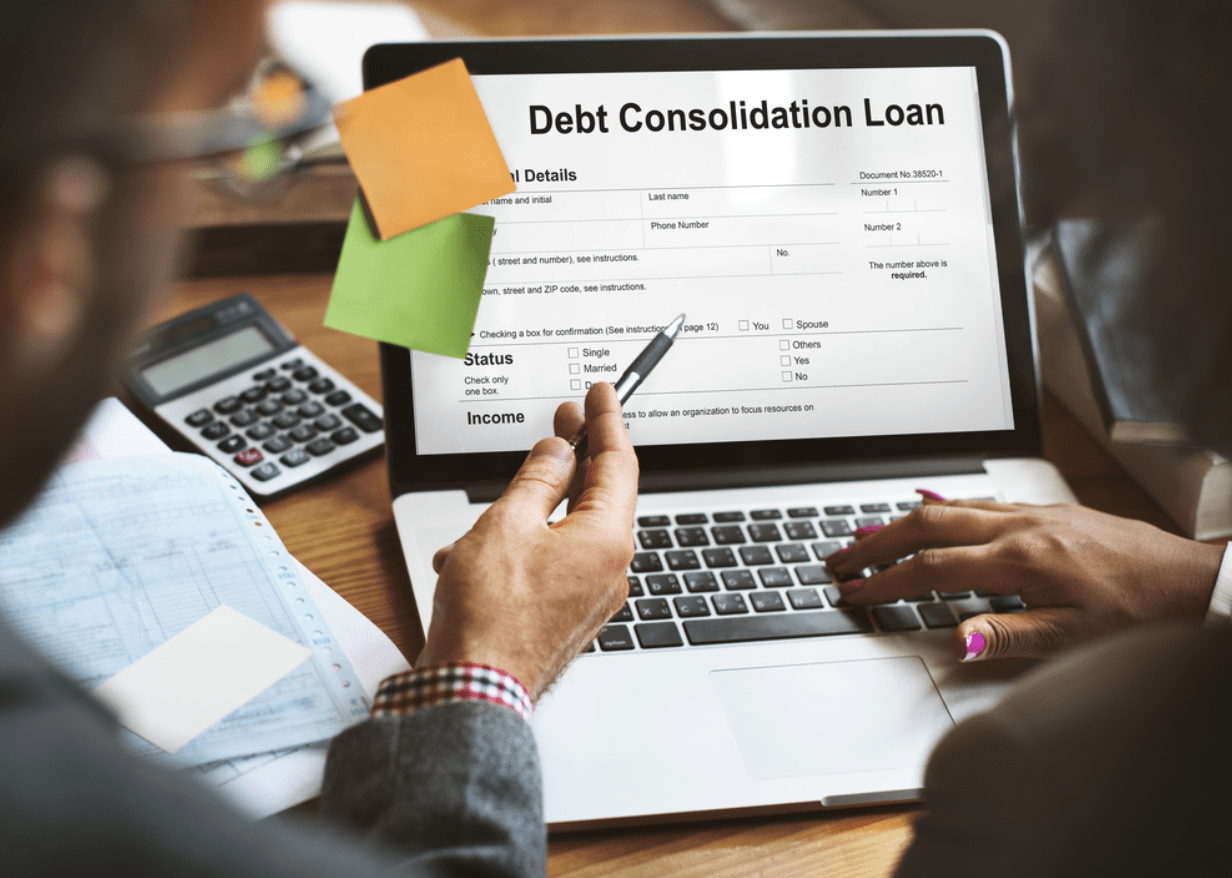
Debt consolidation loans for bad credit serve as a viable solution for individuals struggling to manage multiple debts. These loans enable borrowers to combine various debts into a single loan, often with the aim of simplifying payments and potentially lowering interest rates. The process is especially beneficial for those who feel overwhelmed by their financial obligations and are looking for a path toward financial stability.Debt consolidation works by providing a new loan that pays off existing debts, such as credit card balances, medical bills, or personal loans.
This new loan typically comes with different terms, including a fixed interest rate and a predetermined repayment schedule. However, individuals with bad credit face particular challenges in securing these loans due to their lower credit scores, which signal greater risk to lenders. This can lead to limited options and potentially higher interest rates compared to those available to borrowers with better credit.
Challenges Faced by Individuals with Bad Credit
Individuals with poor credit scores encounter several obstacles when seeking debt consolidation loans. These challenges include:
- Higher Interest Rates: Lenders often charge higher rates for borrowers with bad credit, which can diminish the financial relief expected from consolidating debts.
- Limited Lender Options: Many traditional lenders may not offer loans to those with bad credit, reducing the available choices for borrowers.
- Strict Qualification Criteria: Lenders tend to impose strict eligibility requirements, making it harder for those with bad credit to qualify for a loan.
- Potential for Scams: Individuals with bad credit may be more susceptible to predatory lending practices, where less scrupulous lenders offer loans with exorbitant fees and unfavorable terms.
Benefits and Drawbacks of Debt Consolidation Loans
Considering debt consolidation loans, particularly for those with poor credit, it is essential to weigh both the benefits and drawbacks before proceeding. The benefits include:
- Simplified Payments: Consolidating multiple debts into one monthly payment can make managing finances easier, allowing borrowers to focus on one account.
- Potentially Lower Monthly Payments: Depending on the terms of the new loan, borrowers may reduce their monthly payment amount, thus easing financial strain.
- Improved Credit Score Over Time: Successfully managing one loan can positively impact a borrower’s credit score, especially if it helps avoid late payments.
On the other hand, the drawbacks are also significant:
- Higher Overall Costs: If the interest rate on the new loan is higher, borrowers might end up paying more in total interest over the life of the loan.
- Risk of Increased Debt: Some borrowers may be tempted to accumulate new debt while still owing on the old debts, leading to further financial distress.
- Potential Impact on Credit Score: Applying for new loans can result in hard inquiries on a credit report, which may temporarily lower a credit score.
Debt consolidation loans can be a double-edged sword for individuals with bad credit; while they offer a potential lifeline, they also present unique risks that must be carefully considered.
Eligibility Criteria for Debt Consolidation Loans
Navigating the world of debt consolidation loans, especially with bad credit, can feel overwhelming. However, understanding the eligibility criteria can illuminate your path towards financial relief. Lenders typically evaluate various aspects of your financial profile to determine if you qualify for a loan. Let’s delve into the essential requirements that may affect your application.
Common Eligibility Requirements
When applying for a debt consolidation loan with bad credit, certain standard criteria often come into play. These conditions help lenders gauge your ability to repay the loan and assess the level of risk involved in lending to you.
1. Minimum Credit Score
While bad credit can vary, most lenders set a minimum credit score requirement, often ranging between 580 and
640. 2. Proof of Income
Consistent income demonstrates your ability to manage monthly payments. Lenders typically require recent pay stubs or income tax returns.
3. Debt-to-Income Ratio
This ratio, which compares your total monthly debt payments to your gross monthly income, is crucial. A lower ratio indicates better financial health.
4. Employment Status
Stable employment history can bolster your application, showing lenders that you have consistent income to rely on.
5. Residency Requirements
Some lenders require that you be a resident of the country where the loan is provided, which ensures compliance with local laws and regulations.Each of these factors plays a significant role in your application’s success, and lenders may weigh them differently based on their policies.
Factors Considered by Lenders
Understanding the specific factors lenders assess can enhance your chances of approval for a debt consolidation loan. Here are some key elements they often evaluate:
Credit History
Beyond just the score, lenders review your credit report for patterns of responsible or irresponsible borrowing. A history of late payments or defaults could work against you.
Loan Amount Requested
The total amount you wish to borrow can also impact approval. Lenders are likely to consider whether your request aligns with your income and creditworthiness.
Type of Debt
Lenders may be more inclined to consolidate certain types of debt, such as credit cards, rather than student loans or secured debts due to their nature and repayment patterns.
Collateral
If you offer collateral, such as a car or home, lenders might be more willing to approve your application, as they have a safety net should you default.
“Understanding what lenders look for can empower you to present a stronger application.”
Alternative Options for Obtaining Loans
If you find that you do not meet the above eligibility criteria for a debt consolidation loan, don’t lose hope. Several alternative options may still be available to you, allowing you to manage your debts effectively.
1. Peer-to-Peer Lending
Online platforms connect borrowers directly with individual investors who may be more flexible in their lending criteria.
2. Credit Unions
Often more accommodating than traditional banks, credit unions may offer loans with lower interest rates and more lenient requirements for their members.
3. Secured Loans
If you have assets, consider secured loans where your collateral can help you qualify for better terms.
4. Debt Management Plans
Working with a credit counseling agency can help you negotiate lower payments or interest rates with creditors without the need for a loan.
5. Personal Loans from Friends or Family
Sometimes the best options come from those who know and trust you best.By exploring these alternatives, individuals with bad credit can still find pathways to consolidate their debts and regain financial stability.
Types of Debt Consolidation Loans Available
When navigating the choppy waters of debt, finding the right type of debt consolidation loan can serve as a lifeline for those with bad credit. The landscape of loan products is diverse, offering various options tailored to meet the unique needs of borrowers struggling with credit challenges. Understanding the different types of debt consolidation loans available can empower individuals to make informed financial decisions that can help them regain control over their finances.Debt consolidation loans generally fall into two primary categories: secured and unsecured loans.
This distinction is crucial for borrowers with bad credit, as each type carries its own set of risks and benefits.
Secured vs Unsecured Debt Consolidation Loans
Secured loans require collateral, which can significantly influence the terms and conditions of the loan. This type of loan is often backed by an asset, such as a home or car, providing the lender with assurance that they can recover their money if the borrower defaults. In contrast, unsecured loans do not require collateral, making them accessible to individuals who may not have valuable assets.
However, unsecured loans typically come with higher interest rates, especially for those with bad credit.
- Secured Loans: These loans are often easier to qualify for despite bad credit. Examples include home equity loans and lines of credit. Borrowers can tap into the equity of their home, allowing them to consolidate multiple debts into one manageable payment.
- Unsecured Loans: These loans tend to be more challenging to secure with a low credit score, but options exist. Personal loans from credit unions or peer-to-peer lending platforms may offer more favorable terms than traditional banks.
Fixed-Rate vs Variable-Rate Loans
Understanding the difference between fixed-rate and variable-rate loans is essential for borrowers with bad credit. Fixed-rate loans maintain the same interest rate throughout the life of the loan, providing borrowers with predictable monthly payments. Conversely, variable-rate loans can fluctuate over time, which may lead to unpredictable payments.
- Fixed-Rate Loans: These loans can be advantageous for budgeting, as borrowers know exactly what to expect each month. They typically have higher interest rates compared to variable options, but peace of mind often outweighs the additional cost.
- Variable-Rate Loans: These loans may start with lower rates but can increase, which could pose risks if the borrower is unable to adjust their budget accordingly. For those willing to take the risk, they might benefit from lower initial payments.
Examples of Loan Products for Bad Credit, Debt consolidation loans for bad credit
Various financial institutions have developed loan products specifically designed to cater to individuals with bad credit. These options can help ease the burden of multiple debts by offering lower interest rates and more manageable repayment plans.
- Avant Personal Loans: Designed for borrowers with less-than-perfect credit, Avant offers personal loans ranging from $2,000 to $35,000, providing flexibility in consolidation.
- OneMain Financial: Known for specializing in personal loans for bad credit, OneMain provides secured and unsecured loan options, allowing borrowers to choose according to their financial situation.
- Debt Consolidation Programs: Many non-profit credit counseling agencies offer programs that negotiate lower interest rates with creditors, potentially lowering payments while consolidating debts.
Choosing the right type of debt consolidation loan involves weighing the pros and cons of each option against one’s financial situation. By exploring secured versus unsecured loans, fixed versus variable rates, and the various specialized products available, borrowers can make a choice that aligns with their goals to achieve financial freedom.
The Application Process for Debt Consolidation Loans
Navigating the application process for debt consolidation loans, especially with bad credit, can be daunting. However, understanding the steps involved and preparing adequately can make this journey smoother and more manageable. By taking it one step at a time, you can position yourself for success and potentially secure the relief you need from overwhelming debt.
The application process for a debt consolidation loan typically involves several straightforward steps. While the specifics may vary slightly depending on the lender, the general flow remains consistent. It’s crucial to be prepared and informed, as this will not only help in submitting a complete application but also in avoiding pitfalls that could lead to delays or rejections. Here are the steps to follow:
Essential Steps in the Application Process
The process begins with determining how much debt you want to consolidate. This amount will guide your loan request and help lenders assess your financial needs. Following this, here is a structured approach to applying for a debt consolidation loan:
- Research Lenders: Start by researching various lenders who provide debt consolidation loans for bad credit. Look for those with favorable terms and positive customer reviews.
- Check Your Credit Report: Obtain a copy of your credit report to understand your financial standing. This will help you gauge how lenders might view your application.
- Calculate Your Debt-to-Income Ratio: This ratio gives lenders insight into your capacity to repay the loan. Aim for a ratio below 40% for better approval chances.
- Gather Necessary Documents: Prepare the required paperwork to support your application. This leads us to the key documents needed.
- Complete the Application: Fill out the application form accurately, providing all requested information.
- Submit Your Application: Once the application is filled, submit it along with the required documents. Be prepared to wait for approval.
- Review Loan Offers: If approved, carefully review the loan offer, focusing on interest rates, repayment terms, and any fees.
- Accept the Loan: After ensuring the terms are acceptable, sign the agreement and accept the loan.
Documents and Information Required
To facilitate a smooth application process, gather the necessary documents and information beforehand. The following checklist ensures you have everything needed to complete your application without delays:
“Preparation is key to a successful loan application.”
You should ensure you have the following items ready:
- Proof of identity (government-issued ID)
- Proof of income (pay stubs, tax returns)
- Details of your existing debts (credit card statements, loan agreements)
- Current credit report
- Bank statements from the last few months
- Any documentation related to your employment (e.g., employment verification letter)
Common Pitfalls to Avoid
While applying for a debt consolidation loan, being aware of common pitfalls can save time and effort. Here are key pitfalls to avoid:
“Being informed is the first step toward responsible borrowing.”
- Submitting incomplete applications can lead to automatic rejections; ensure all fields are filled accurately.
- Failing to review loan offers thoroughly may result in accepting unfavorable terms that could worsen your situation.
- Ignoring the fine print can hide important fees or conditions that could impact your repayment journey.
- Overlooking your credit score can lead to unrealistic expectations about loan approval rates and terms.
By carefully following these steps, preparing the necessary documents, and being mindful of common mistakes, you can enhance your chances of obtaining a debt consolidation loan that meets your financial needs and provides a pathway to a more stable financial future.
Interest Rates and Terms for Debt Consolidation Loans
Understanding the interest rates and terms associated with debt consolidation loans, particularly for individuals with bad credit, is crucial when considering this financial solution. These loans can provide a pathway to more manageable repayments and improved financial health, but the costs involved can vary significantly based on creditworthiness. Interest rates for individuals with bad credit are primarily determined by several factors, including credit score, income level, debt-to-income ratio, and the lender’s specific policies.
Lenders typically view borrowers with poor credit as higher-risk clients, which often leads to higher interest rates. This risk assessment is reflected in how lenders calculate the overall cost of the loan. Generally, individuals with credit scores below 580 may find themselves facing interest rates that can soar as high as 30% or more, compared to rates for borrowers with better credit, which can be as low as 5% to 10%.
Loan Terms Offered to Borrowers with Poor Credit
Loan terms for debt consolidation loans vary widely, often ranging from three to five years. Borrowers with bad credit may find themselves with shorter terms or less favorable conditions. This can result in higher monthly payments, which may counteract the benefits of consolidating debt. It’s vital for potential borrowers to understand these terms and how they impact overall repayment. The following table Artikels average interest rates and loan terms based on varying credit scores, providing a clearer picture of what borrowers can expect:
| Credit Score Range | Average Interest Rate (%) | Typical Loan Term (Years) |
|---|---|---|
| 300 – 579 | 20% – 30% | 3 – 5 |
| 580 – 669 | 10% – 20% | 3 – 6 |
| 670 – 739 | 7% – 10% | 3 – 7 |
| 740+ | 5% – 7% | 5 – 10 |
The table illustrates the stark differences in interest rates and terms that borrowers face based on their credit scores. A borrower with a score below 580 can expect to pay significantly higher rates and may have shorter repayment periods, which can lead to a tight monthly budget. Understanding these dynamics can empower borrowers to make informed choices about debt consolidation loans and navigate their financial futures with greater confidence.
Strategies for Improving Chances of Approval
Navigating the world of debt consolidation loans can be daunting, especially for individuals with bad credit. However, developing a strategic approach to improve your chances of approval is not only possible but essential. By taking proactive steps to enhance your credit profile and effectively managing your financial situation, you can position yourself favorably when it comes time to apply for a loan.Improving your credit score and managing your debt-to-income ratio are crucial elements in boosting the likelihood of loan approval.
Lenders often assess these factors to determine your creditworthiness. Here are some effective strategies to help you improve your standing before applying for a debt consolidation loan.
Methods for Improving Credit Scores
Enhancing your credit score is a vital step in preparing for a debt consolidation loan. A higher score signals to lenders that you are a responsible borrower, increasing your chances of approval. Consider the following methods:
- Pay Bills on Time: Consistently making payments by their due dates is one of the most effective ways to improve your credit score. Set up reminders or automatic payments to ensure you never miss a due date.
- Reduce Credit Card Balances: Aim to keep your credit utilization ratio below 30%. Paying down existing balances can have a positive impact on your score.
- Avoid Opening New Accounts: Each time you apply for credit, a hard inquiry is made on your report, which can temporarily lower your score. Limit applications for new credit until you’ve improved your current standing.
- Check Your Credit Report: Regularly reviewing your credit report for errors or inaccuracies allows you to dispute any discrepancies which could be dragging down your score.
Importance of Debt-to-Income Ratios
Understanding and managing your debt-to-income (DTI) ratio is essential for presenting a healthy financial profile. The DTI ratio is a measure of your monthly debt payments compared to your gross monthly income. A lower ratio indicates that you have a manageable amount of debt relative to your income, which is attractive to lenders.To improve your DTI, consider these strategies:
- Increase Your Income: Look for opportunities to boost your earnings, whether through a side job, freelance work, or asking for a raise at your current job.
- Pay Off Existing Debts: Focus on paying down high-interest debts first. This will not only reduce your DTI but also save you money on interest in the long run.
- Avoid Taking on New Debt: While in the process of applying for a loan, refrain from accumulating additional debt. This will keep your DTI in check and show lenders that you are managing your obligations responsibly.
Presenting Financial Situations Favorably
When applying for a debt consolidation loan, how you present your financial situation can significantly influence a lender’s decision. It’s important to paint a clear and honest picture while highlighting your strengths. Here are some tips for presenting yourself positively:
- Prepare a Cover Letter: Include a brief letter explaining your current financial situation, your reasons for seeking a consolidation loan, and your commitment to improving your financial health.
- Showcase Income Stability: Provide documentation of steady income, such as pay stubs or tax returns, to assure lenders of your ability to repay the loan.
- Emphasize Positive Changes: Share any steps you’ve already taken to improve your credit, such as on-time payments or debt reduction, demonstrating your proactive approach.
- Provide a Budget: Presenting a well-structured budget can show lenders that you have a solid plan for managing your finances post-consolidation.
By implementing these strategies, you can significantly enhance your chances of securing a debt consolidation loan, even with bad credit. The key lies in preparation, awareness of your financial standing, and the ability to communicate your commitment to improving your fiscal responsibility.
Alternatives to Debt Consolidation Loans

For individuals grappling with bad credit, exploring alternatives to debt consolidation loans can be both a necessity and a relief. Various options exist that can assist in managing debt more effectively without the need for a traditional consolidation loan. Understanding these alternatives can empower borrowers to make informed decisions tailored to their specific financial situations.
Credit Counseling and Debt Management Plans
Credit counseling is a valuable service that offers individuals a pathway to better manage their finances. Through credit counseling, individuals gain access to expert advice on budgeting, money management, and strategic debt repayment. Counselors can analyze personal financial situations and help create a tailored plan that addresses debts while fostering healthier financial habits.Debt management plans (DMPs) often go hand-in-hand with credit counseling.
In a DMP, the credit counseling agency negotiates with creditors on behalf of the individual, aiming to secure lower interest rates and more manageable payment terms. This consolidated payment plan allows the debtor to make a single monthly payment to the counseling agency, which then pays each creditor. This not only simplifies the repayment process but can also reduce the total amount paid over time due to negotiated terms.
Personal Loans as an Alternative
Personal loans offer another avenue for debt relief, especially for those with bad credit. Unlike debt consolidation loans specifically designed for consolidating debts, personal loans can be used for a variety of purposes, including paying off existing debt. Individuals should be cautious, however, as interest rates on personal loans can vary significantly based on credit scores and lender policies.When considering a personal loan, it’s important to assess the loan terms, including interest rates, repayment periods, and fees.
Borrowers should compare multiple lenders to find the most favorable conditions. An illustrative case is that of Sarah, who had $10,000 in credit card debt. After securing a personal loan with a lower interest rate than her credit cards, she was able to pay off her debts and shift to a single monthly payment, ultimately saving money on interest.
Credit Card Balance Transfers
Credit card balance transfers can serve as a viable option for those with good credit scores. This strategy involves transferring existing credit card debt to a new credit card with a lower interest rate, often with an introductory 0% APR for a specified period. By doing so, individuals can reduce the interest accumulating on their original debts, making it easier to pay them down.However, this option is not without its risks.
Failure to pay off the transferred balance within the promotional period can lead to high interest rates on remaining balances. Moreover, individuals with bad credit may find it challenging to qualify for cards offering attractive balance transfer rates. For example, John decided to transfer $5,000 from a high-interest card to one with 0% APR for 12 months. His disciplined repayment strategy allowed him to eliminate his debt before the promotional period ended, saving him substantial interest costs.
When to Consider Bankruptcy
Bankruptcy is often viewed as a last resort but can be a necessary option for individuals facing overwhelming debt. It provides a legal way to discharge debts and can offer a fresh financial start. Individuals may consider bankruptcy, particularly Chapter 7 or Chapter 13, when their debts far exceed their income, making repayment virtually impossible. Chapter 7 bankruptcy can eliminate unsecured debts like credit cards, while Chapter 13 allows individuals to repay debts over time under a court-approved plan.
The decision to file for bankruptcy should not be taken lightly, as it has long-lasting effects on credit scores and financial health. For instance, Lisa faced mounting medical bills and credit card debt, leading her to file for Chapter 7 bankruptcy. Although initially daunting, this choice allowed her to emerge debt-free and rebuild her financial life.
Managing Debt After Consolidation: Debt Consolidation Loans For Bad Credit

After successfully consolidating debt, the journey toward financial freedom continues. It’s crucial to maintain momentum and ensure that the hard work put into managing debt doesn’t fade away. This period marks a fresh start and presents an opportunity to reshape your financial habits. By practicing smart financial management techniques, you can maintain control over your budget and avoid falling back into the cycle of debt.Creating a budget is the fundamental aspect of managing your finances post-consolidation.
A well-structured budget acts as a roadmap, guiding you through your spending, savings, and debt repayment. Without a solid plan, the temptation to overspend can lead to new financial challenges. Tracking expenses plays a pivotal role in this process, allowing you to identify unnecessary expenditures and areas where you can save.
Establishing a Budget
A comprehensive budget not only helps manage debt but also builds a foundation for future financial stability. Here are essential tips for establishing a robust budget:
- Calculate Total Income: Gather all sources of income, including salaries, side gigs, and interest. This total will serve as your baseline.
- List Monthly Expenses: Document fixed and variable monthly expenses such as rent, utilities, groceries, and entertainment. This helps in understanding where your money goes.
- Differentiate Between Needs and Wants: Prioritize essential expenses while recognizing areas where you can cut back. This distinction is vital in maintaining a balanced budget.
- Set Realistic Spending Limits: Allocate a specific amount for each expense category based on your income and financial goals.
- Review and Adjust Regularly: Financial situations can change; therefore, it’s important to review and adjust your budget monthly to reflect new expenses or income changes.
Effective expense tracking is equally important. When you monitor spending carefully, you can gain insights into your habits and identify potential savings. Utilizing budgeting apps or spreadsheets makes this task easier and more organized, allowing for real-time updates and adjustments.
Addressing Financial Difficulties
Even after consolidating debt, unexpected financial difficulties may arise. It’s essential to have a proactive approach to address these challenges. When facing potential financial strain, consider the following steps:
- Assess Your Financial Situation: Evaluate your current income, expenses, and any new debts that may have occurred. This assessment provides clarity on your financial standing.
- Communicate with Creditors: If you anticipate missing payments, proactively reach out to creditors. Many companies offer hardship programs or flexible repayment options.
- Explore Additional Income Sources: Consider part-time work, freelance opportunities, or selling unused items to boost your income temporarily.
- Consult a Financial Advisor: If difficulties persist, seek professional advice to explore options tailored to your unique financial situation.
- Stay Committed to Your Budget: Revisit and reinforce your budget, making necessary changes to accommodate new circumstances.
By adopting strong budgeting practices and being prepared for potential setbacks, you can not only navigate the post-consolidation phase effectively but also foster lasting financial resilience. Remember, consistent monitoring and a willingness to adapt are key to maintaining control over your financial future.
Popular Questions
What is a debt consolidation loan?
A debt consolidation loan is a financial product that allows individuals to combine multiple debts into a single loan, often with a lower interest rate and a simplified payment plan.
Can I get a debt consolidation loan with bad credit?
Yes, many lenders offer debt consolidation loans for individuals with bad credit, though the terms may not be as favorable as those for borrowers with good credit.
What are the eligibility requirements for these loans?
Eligibility typically includes a minimum credit score, proof of income, and an assessment of your debt-to-income ratio.
Are secured loans better for bad credit borrowers?
Secured loans may offer lower interest rates and better terms for bad credit borrowers because they are backed by collateral, reducing the lender’s risk.
What should I do if my application is denied?
If your application is denied, consider improving your credit score, reducing existing debts, or exploring alternative options like credit counseling.
